


Navigating the complexities of international trade requires a clear understanding of product classification to ensure a smooth entry into the Kingdom. One of the most critical steps in this process is identifying the correct HS code Saudi Arabia, which serves as the primary gateway for customs compliance and regulatory approval. At Fahes, we specialize in helping businesses simplify these technical requirements by ensuring your products are accurately coded and aligned with national standards, helping you avoid delays and ensuring your goods reach the Saudi market efficiently and securely.
Understanding the HS Code and Its Customs Significance
The HS Code is the fundamental language of international trade, providing a standardized numerical method for classifying products. Developed by the WCO, it ensures a common understanding of commodities worldwide. Its significance in customs operations is critical for accurate classification and global trade compliance.
- Accurate Tariff Determination: The primary role of the HS tariff code is to establish the specific import duties, taxes, and fees applicable to a product. An accurate code ensures that businesses pay the correct amount, avoiding both overpayment and the risk of penalties for underpayment.
- Regulatory Alignment in Saudi Arabia: For those trading within the Kingdom, the HS code Saudi Arabia is the key to navigating the SABER platform. It determines which technical regulations apply to a product and identifies the specific safety and quality standards required by SASO and SFDA.
- Facilitating Customs Clearance: Using the correct HS code streamlines the import and export process. It reduces the likelihood of shipments being flagged for manual inspection or held up due to classification disputes, ensuring a smoother flow of goods across borders.
- Implementation of Trade Policies: Customs authorities use these codes to monitor and regulate the movement of goods, helping to enforce trade agreements, quotas, and national trade policies.
- Statistical Analysis: Beyond taxes, these codes allow governments to collect vital international trade statistics, which are used for economic planning and market research.
By correctly identifying the HS tariff code, businesses can ensure total compliance with international standards and local requirements, such as the 12-digit HS code Saudi Arabia system, ultimately protecting their supply chain from unnecessary delays and legal complications.
Request a free consultation at HS Code in Saudi Customs
The Structure of the HS Code in Saudi Arabia
The HS code Saudi Arabia follows a specific hierarchical structure designed to align with both international standards and the unique regulatory requirements of the saudi market. Understanding this structure is essential for any business involved in the import export sector to ensure accurate product classification and smooth customs clearance.
The Saudi system builds upon the global standard to create a highly detailed identification process:
- The International Foundation (6 Digits): The first six digits of the code are identical to the international Harmonized System maintained by the World Customs Organization. This ensures that the product is recognized globally under a unified category.
- The Regional Alignment (8 Digits): Saudi Arabia incorporates the Unified Gulf Cooperation Council (GCC) structure, which extends the code to eight digits for regional trade consistency.
- The Local Specificity (12 Digits): To meet the specific needs of the saudi market, Saudi Customs has expanded the code further to a 12-digit format. These additional digits allow for precise identification of sub-categories, specific tax exemptions, or restricted items.
Properly structuring the HS code Saudi Arabia is a critical step in the import export workflow, as it directly links a product to the correct technical regulations on the SABER platform and determines the applicable tariff rates at the border.
You may be interested in Product Certificate of Conformity (PCoC) services
The Link Between HS Code and SABER Platform
The HS Code serves as the digital foundation for the Fahes and Saber Saudi Arabia platform. It acts as the primary identifier that determines the regulatory path a product must take before it can legally enter the Kingdom.
The connection between these two is vital for a successful customs clearance process:
- Determining Requirements: Once the code is entered into Saber Saudi Arabia, the system automatically identifies the required technical regulations and whether a product needs a Certificate of Conformity (CoC).
- Facilitating Trade: An accurate match between the product and its code ensures that all digital documentation is valid, preventing costly delays during customs clearance.
- Risk Management: The platform uses the code to verify that goods comply with SASO standards, ensuring safety and quality within the local market.
You may be interested in Shipment Certificate of Conformity (SCOC) services
The Role of ZATCA in Product Classification
The Zakat, Tax and Customs Authority (ZATCA) plays a pivotal role in managing the HS Code Saudi Arabia system, ensuring that all goods crossing the border are accurately categorized. By overseeing the classification process, ZATCA maintains a transparent and secure trading environment that aligns with the Kingdom’s economic goals and international commitments.
Understanding the HS code meaning is the first step for traders, as it represents the standardized numerical identity of their products. ZATCA utilizes this coding system to enforce national trade policies and ensure that the correct regulatory measures are applied. Without a clear classification, the movement of goods would become disorganized, leading to significant bottlenecks in the supply chain.
Furthermore, the HS code customs process managed by ZATCA is essential for the accurate collection of revenue. By verifying the codes assigned to shipments, the authority can determine the exact customs duties and taxes applicable to each item. This rigorous oversight not only prevents tax evasion but also ensures that all businesses operating in the Saudi market compete on a fair and level playing field.
Risks of Incorrect HS Code Classification
Using an inaccurate HS code saudi arabia can lead to severe operational and financial setbacks. Since this code dictates the legal requirements for entry, any classification error often results in immediate disruptions، The primary risks include:
- Financial Penalties: Customs may impose heavy fines for misclassification to prevent duty evasion.
- Shipment Delays: Errors lead to intensive inspections, causing port delays and increasing storage fees.
- Regulatory Rejection: An incorrect code may bypass mandatory SASO standards, resulting in the shipment being denied entry.
- Legal Scrutiny: Repeated mistakes can damage your standing with ZATCA, leading to stricter audits or the suspension of import licenses.
You may be interested in the services of the (SFDA) Certificate of Conformity for Cosmetics
How to Extract the Accurate HS Code
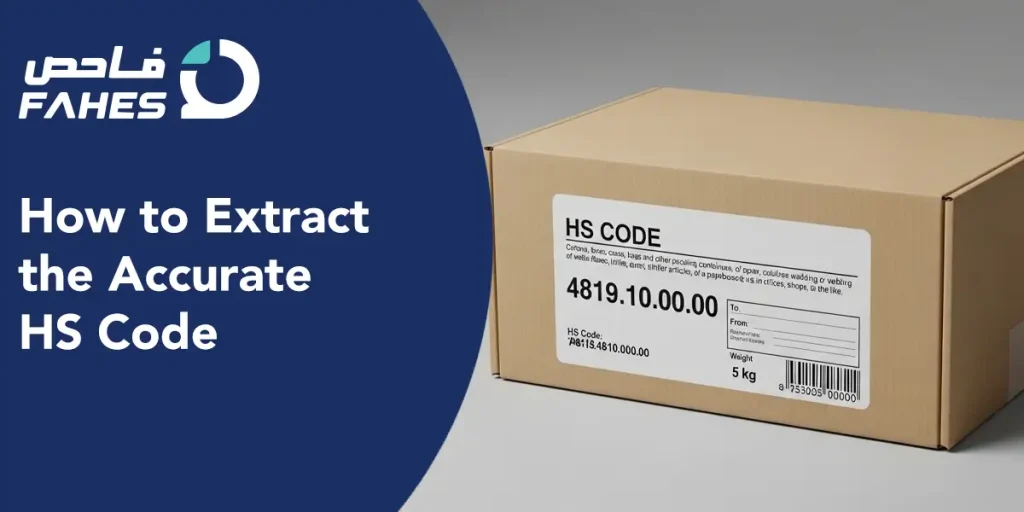
To extract the accurate HS code Saudi Arabia, businesses should begin by searching the SABER platform or the Saudi Customs tariff database using specific keywords that define the product’s material and purpose. It is essential to ensure the first six digits align with international standards before identifying the local extensions required for the Saudi market. For complex goods, consulting with experts like Fahes ensures the item matches the correct technical regulation, while regularly reviewing WCO updates helps maintain compliance with the latest global trade amendments.
Frequently Asked Questions
What is the HS code for Saudi Arabia?
The HS code Saudi Arabia is a specialized 12-digit numerical system used to classify products for customs and regulatory purposes. It integrates the international 6-digit standard and the 8-digit GCC unified code to provide a highly precise classification tailored to the Saudi market’s technical regulations.
How to find HS code?
To find the correct HS code Saudi Arabia, you can use the search tools on the SABER electronic platform by entering product keywords or descriptions. Additionally, you can consult the official ZATCA (Saudi Customs) tariff database or work with an accredited conformity body to ensure your product matches the right code and its associated standards.
To request a Conformity Assessment service in Saudi Arabia or make inquiries: Contact Fahes